











Dome Keeper Overview: Mining, Defence and Roguelike Strategy

Additional Information:
Screenshots
Editor's Review:
Updated 2026-11-09
Dome Keeper is built around a sharp, easy-to-understand dilemma: spend the limited time between attacks digging for resources, or stop exploring and return to defend the dome. That push and pull gives the game its identity. It is a good fit for players who like action games with meaningful preparation, repeated runs and decisions that matter under pressure.
Mine before the next wave
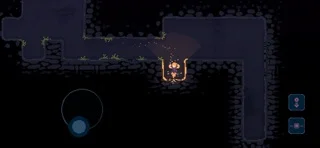
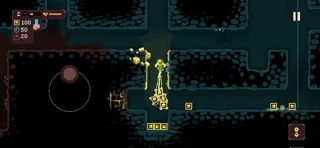
Each run places your dome above a unique, procedurally generated underground map. You control a keeper equipped with a drill, carving tunnels through the earth to locate valuable resources, relics, caves and additional gadgets. The mining phase is not simply a search for collectibles. Every tunnel represents time spent away from the base, and the deeper you go, the more important your return route becomes.
This creates a practical choice between gathering more and staying safe. A player who heads back early can prepare the dome with fewer resources but more certainty. A player who continues digging may find something that significantly improves the run, but risks arriving late for the next attack. The official description presents this timing decision as the core question of each cycle.
Defend the dome directly
When the monsters return, the focus shifts from drilling to operating the dome’s weaponry. Alien enemies approach through both air and ground routes, with different attack methods and movement patterns. Defence therefore involves more than waiting for an automatic system to solve the problem: you must protect the structure, repel the attackers and decide when repairs or defensive improvements are worth prioritising.
The two phases reinforce each other. Mining supplies the resources needed to improve the dome, while successful defence gives you the chance to continue the run and search further. Poor preparation can make the next wave dangerous; excessive preparation can leave the underground side underdeveloped. That balance should appeal to players who enjoy alternating between active combat and resource planning, rather than focusing on only one of those activities.
Spend resources with a plan
Resources can be used to improve dome defences, strengthen the drill, increase movement speed and unlock useful gadgets. These choices shape how a run develops. Better drilling can make future expeditions more productive, while defensive upgrades help you survive stronger or more demanding attacks. Movement improvements can also reduce the time cost of travelling through your tunnels.
The important tradeoff is not just which upgrade is strongest, but which weakness is most urgent. A mining-focused approach may accelerate discovery but leave the dome exposed. A defensive approach may make attacks more manageable while slowing progress underground. Dome Keeper’s documented systems support this kind of adaptation, with each run encouraging you to respond to its map, discoveries and threats rather than follow one fixed build.
Customise runs and repeat attempts
The game offers two keeper types, four domes and four primary gadgets, giving players several starting setups to compare. It also includes run modifiers, adjustable difficulty settings and dozens of secondary gadgets discovered while digging. These options suggest a structure designed for experimentation: different combinations can change how you approach mining, movement and defence.
Procedurally generated maps add further variation because the location of resources, caves and gadgets changes from run to run. This is an important strength for players who enjoy replaying a familiar ruleset with new problems to solve. It also means the game’s appeal depends on enjoying the run-based decision cycle rather than expecting a single linear campaign to unfold in the same way every time.
Who should play Dome Keeper?
Dome Keeper is best suited to players who like action-strategy hybrids, roguelike replayability and decisions made against a clock. Its clearest strength is the connection between mining and defence: neither activity is isolated, and every upgrade or detour affects the next phase. Players looking for a straightforward comparison may find the underground resource hunt more relevant than the social deduction of Among Us or the arcade shooting of 1945 Air Force. Those who prefer construction and open-ended creation may instead want to explore Crafting and Building.
The main limitation, based on the official description, is that the experience is centred on repeated runs, procedural maps and strategic tradeoffs rather than a detailed story or a broad life-simulation feature set. That is not a flaw for the intended audience, but it narrows the appeal for players seeking a narrative-first adventure. The official listing also identifies an iOS version requiring iOS 17.0 or later, with the game listed on Google Play as well. Check the official store for current purchase details and device compatibility.
Sources
Download links point to official app marketplaces such as Google Play and the App Store when available. Always review store details before installing.
FAQ
What kind of game is Dome Keeper?
Dome Keeper is a roguelike action-strategy game combining underground mining with defence against waves of alien monsters.
What do you do between alien attacks?
You use a drill and keeper equipment to dig through a procedurally generated underground map, searching for resources, relics, caves and gadgets.
How does upgrading work?
Resources are delivered to the dome and spent on upgrades for defences, drilling, movement speed and other useful equipment.
Where can Dome Keeper be played?
The supplied official listing identifies an iOS release requiring iOS 17.0 or later. The game is also listed on Google Play by Raw Fury.
Editor's Choice Games
























Additional Information:
Screenshots
Editor's Review:
Updated 2026-11-09
Dome Keeper is built around a sharp, easy-to-understand dilemma: spend the limited time between attacks digging for resources, or stop exploring and return to defend the dome. That push and pull gives the game its identity. It is a good fit for players who like action games with meaningful preparation, repeated runs and decisions that matter under pressure.
Mine before the next wave
Each run places your dome above a unique, procedurally generated underground map. You control a keeper equipped with a drill, carving tunnels through the earth to locate valuable resources, relics, caves and additional gadgets. The mining phase is not simply a search for collectibles. Every tunnel represents time spent away from the base, and the deeper you go, the more important your return route becomes.
This creates a practical choice between gathering more and staying safe. A player who heads back early can prepare the dome with fewer resources but more certainty. A player who continues digging may find something that significantly improves the run, but risks arriving late for the next attack. The official description presents this timing decision as the core question of each cycle.
Defend the dome directly
When the monsters return, the focus shifts from drilling to operating the dome’s weaponry. Alien enemies approach through both air and ground routes, with different attack methods and movement patterns. Defence therefore involves more than waiting for an automatic system to solve the problem: you must protect the structure, repel the attackers and decide when repairs or defensive improvements are worth prioritising.
The two phases reinforce each other. Mining supplies the resources needed to improve the dome, while successful defence gives you the chance to continue the run and search further. Poor preparation can make the next wave dangerous; excessive preparation can leave the underground side underdeveloped. That balance should appeal to players who enjoy alternating between active combat and resource planning, rather than focusing on only one of those activities.
Spend resources with a plan
Resources can be used to improve dome defences, strengthen the drill, increase movement speed and unlock useful gadgets. These choices shape how a run develops. Better drilling can make future expeditions more productive, while defensive upgrades help you survive stronger or more demanding attacks. Movement improvements can also reduce the time cost of travelling through your tunnels.
The important tradeoff is not just which upgrade is strongest, but which weakness is most urgent. A mining-focused approach may accelerate discovery but leave the dome exposed. A defensive approach may make attacks more manageable while slowing progress underground. Dome Keeper’s documented systems support this kind of adaptation, with each run encouraging you to respond to its map, discoveries and threats rather than follow one fixed build.
Customise runs and repeat attempts
The game offers two keeper types, four domes and four primary gadgets, giving players several starting setups to compare. It also includes run modifiers, adjustable difficulty settings and dozens of secondary gadgets discovered while digging. These options suggest a structure designed for experimentation: different combinations can change how you approach mining, movement and defence.
Procedurally generated maps add further variation because the location of resources, caves and gadgets changes from run to run. This is an important strength for players who enjoy replaying a familiar ruleset with new problems to solve. It also means the game’s appeal depends on enjoying the run-based decision cycle rather than expecting a single linear campaign to unfold in the same way every time.
Who should play Dome Keeper?
Dome Keeper is best suited to players who like action-strategy hybrids, roguelike replayability and decisions made against a clock. Its clearest strength is the connection between mining and defence: neither activity is isolated, and every upgrade or detour affects the next phase. Players looking for a straightforward comparison may find the underground resource hunt more relevant than the social deduction of Among Us or the arcade shooting of 1945 Air Force. Those who prefer construction and open-ended creation may instead want to explore Crafting and Building.
The main limitation, based on the official description, is that the experience is centred on repeated runs, procedural maps and strategic tradeoffs rather than a detailed story or a broad life-simulation feature set. That is not a flaw for the intended audience, but it narrows the appeal for players seeking a narrative-first adventure. The official listing also identifies an iOS version requiring iOS 17.0 or later, with the game listed on Google Play as well. Check the official store for current purchase details and device compatibility.
Sources
Download links point to official app marketplaces such as Google Play and the App Store when available. Always review store details before installing.
FAQ
What kind of game is Dome Keeper?
Dome Keeper is a roguelike action-strategy game combining underground mining with defence against waves of alien monsters.
What do you do between alien attacks?
You use a drill and keeper equipment to dig through a procedurally generated underground map, searching for resources, relics, caves and gadgets.
How does upgrading work?
Resources are delivered to the dome and spent on upgrades for defences, drilling, movement speed and other useful equipment.
Where can Dome Keeper be played?
The supplied official listing identifies an iOS release requiring iOS 17.0 or later. The game is also listed on Google Play by Raw Fury.