











Temple Run Game Review

Additional Information:
Screenshots

Editor's Review:
Updated 2026-06-16
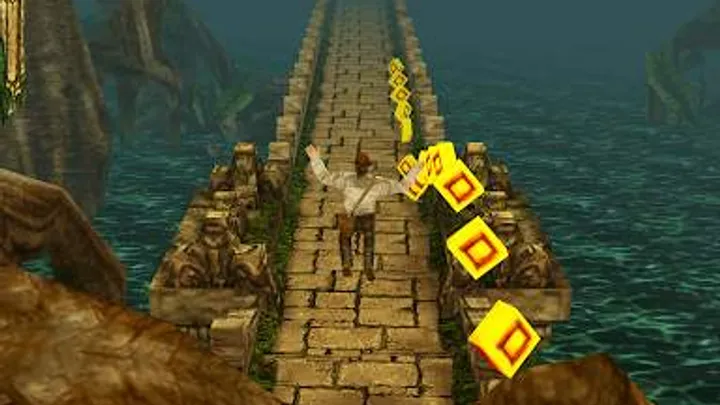
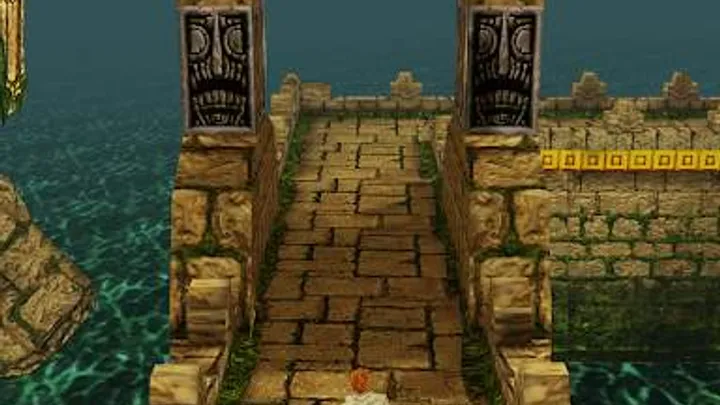
Temple Run is the kind of mobile run game that makes a simple promise and then asks how long you can keep that promise alive: keep moving, keep reacting, and keep your focus from breaking. Presented here as a free Android and iOS title in the run, arcade, and adventure categories, it sits in that classic pocket-game space where the next attempt is always close enough to justify one more try. You do not need to approach it like a large console-style production, and you should not expect the rhythm of a slow, heavily narrated adventure. Instead, Temple Run is built around the immediate appeal of forward momentum. The more you run, the more determined you will feel, and that tagline captures the compact emotional loop rather well. You enter expecting a quick session and often find that the game’s real hook is not complexity for its own sake, but the steady pressure of continuing just a little longer than you did before. For a mobile player, that is a very specific pleasure: the feeling that progress can happen in seconds, that failure is not a wall but a reset, and that your next run can begin before frustration has time to settle in.
What makes Temple Run practical as a phone game is how clearly its identity is defined. It is a run game first, an arcade game in pace, and an adventure game in flavor. That combination tells you a lot about the type of experience to expect before you even install it. You should be ready for short bursts of play that can expand into longer sessions if you become invested in improving your performance. You should also expect the game to lean on reflex, attention, and repetition rather than on long written instructions or a sprawling structure. This is not a title that needs to explain itself for hours to become understandable. Its value comes from how quickly it puts you into action and how naturally it invites you to measure yourself against your previous attempts. That accessibility is a major reason a game like this fits Android and iOS so comfortably. On mobile, a strong run game has to respect the fact that you may be playing between other parts of your day, and Temple Run’s format suits that pattern: you can jump in, focus hard, make a mistake, and immediately feel the urge to clean up that mistake with another run.
The arcade side of Temple Run matters because it sets the tone for your expectations. You are not simply consuming content; you are performing. Each attempt asks you to stay alert, respond under pressure, and keep your concentration from drifting. That makes the experience feel active even when the basic concept is easy to understand. A good run game does not need to overwhelm you with options to create tension. It only needs to make each second feel slightly more demanding than the last, and Temple Run’s appeal comes from that escalating sense of commitment. You start a run with confidence, settle into the pace, and then begin to feel the weight of keeping it going. The adventure label gives the whole thing a broader mood, suggesting movement through danger and discovery rather than a purely abstract score chase. Even without needing a complicated setup, the game benefits from that sense that you are going somewhere, pushing through a situation, and trying to survive your own momentum. The result is a mobile experience that feels both immediate and surprisingly absorbing, especially when you are in the right mindset for a challenge built around quick judgment.
Because Temple Run is free, it is especially easy to recommend as a low-risk download for anyone curious about classic mobile running games. The listed size is 278.7 MB, so you will want to have enough space available before installing, but the entry price itself is not a barrier. Availability on both Google Play and the App Store also gives it the broad reach that suits a game of this style. You do not have to track down a console version, a PC storefront, or a separate official site to understand where it belongs. It is a mobile game, and it is presented most naturally as one. That matters when judging it fairly. Some games feel reduced when played on a phone; Temple Run feels designed for the kind of fast, repeatable engagement that mobile platforms encourage. If you are browsing for something that can live on your device as a reliable arcade option, the free price and dual-platform support make it easy to try without much hesitation. The 2012-03-26 release date also places it among the established names in the mobile running space, and that history gives the game a certain familiar confidence. It does not feel like an experiment searching for an audience; it feels like a straightforward example of a format that has proven why it works.
The main thing to understand before playing is that Temple Run rewards the right attitude. If you come in expecting a relaxed tour, you may be surprised by how much attention a run game can demand. If you come in wanting a test of timing, focus, and persistence, the structure makes sense almost immediately. You will likely improve through repetition, not because the game becomes less demanding, but because you become more prepared for its pace. That is one of the classic pleasures of arcade design: the rules may be approachable, yet your own consistency becomes the challenge. In a practical sense, this means Temple Run is well suited for players who enjoy trying again after mistakes and who find satisfaction in small improvements. You do not need to dedicate an evening to understand why a run went wrong, and you do not need to wait through a long reset before the next attempt. The loop is clean enough that the game can become part of your routine, something you open when you want a direct challenge rather than a complicated commitment. That simplicity should not be confused with emptiness. When a run game is working, your attention fills in the drama. Every extra moment survived feels earned because you know how quickly a lapse can end the attempt.
There is also a strong emotional rhythm to a game like this. At first, you may play casually, just testing what Temple Run is about. Then a slightly better attempt gives you a reason to care. Then a mistake that feels avoidable pulls you back in. That cycle can be powerful because it makes improvement feel personal. You are not only moving through the game; you are learning your own habits under pressure. Do you rush when the pace increases? Do you lose concentration after a good stretch? Do you recover from errors mentally, or does one nervous moment lead to another? Temple Run’s directness gives those questions room to matter without ever turning the game into something heavy. It remains an arcade run experience, but the best sessions can feel surprisingly intense because the stakes are created by your own investment in the run. This is why the game’s title has remained recognizable in mobile conversation: the concept is easy to explain, but the urge to keep going is harder to shake once it clicks. The score of 4.2 reflects a positive practical verdict without pretending the game needs to be everything for everyone. It is strongest when judged on what it sets out to be: a free mobile runner with immediate energy, accessible play sessions, and a durable sense of challenge.
Temple Run is worth your attention if you want a focused Android or iOS game that gives you action quickly and asks for concentration in return. It is not the choice for someone seeking a slow narrative journey, a huge platform spread, or a premium console-style release, since its listed availability is centered on Google Play and the App Store and its price is free. But as a run, arcade, and adventure title, it understands the mobile format and uses it well. You can install it, learn its rhythm, and decide within a short time whether the chase for a better run appeals to you. For many players, that is exactly what a classic mobile game portal recommendation should point toward: a game with a clear identity, low friction, and a reason to return after failure. Temple Run’s lasting appeal comes from that compact determination it creates. You run, you fall short, and then you want to run again with sharper focus. If that loop sounds satisfying, this is an easy game to put on your phone and an even easier one to keep revisiting whenever you want a quick burst of arcade pressure.
Download links point to official app marketplaces such as Google Play and the App Store when available. Always review store details before installing.
FAQ
What is Temple Run?
Temple Run is a mobile run game with arcade and adventure elements. It focuses on the simple but compelling idea of keeping a run going for as long as you can while staying alert and improving through repeated attempts.
What platforms is Temple Run available on?
Temple Run is available on Android and iOS. The supplied store information lists it on Google Play and the App Store, with no Steam, PlayStation, Xbox, Nintendo, or official website availability listed.
Is Temple Run free to play?
Yes, Temple Run is listed as a free game. Its listed size is 278.7 MB, so you should make sure your mobile device has enough storage space before downloading it.
What kind of gameplay should I expect from Temple Run?
You should expect a fast, repeatable run-game experience built for mobile sessions. It is best approached as an arcade challenge where focus, timing, and the desire to beat your previous performance drive the experience.
Is Temple Run worth playing today?
Yes, Temple Run is worth trying if you enjoy free mobile arcade games with a clear and immediate loop. With a 4.2 score and availability on both Android and iOS, it remains an easy recommendation for players who want quick, focused run-game action.
Editor's Choice Games























Additional Information:
Screenshots
Editor's Review:
Updated 2026-06-16
Temple Run is the kind of mobile run game that makes a simple promise and then asks how long you can keep that promise alive: keep moving, keep reacting, and keep your focus from breaking. Presented here as a free Android and iOS title in the run, arcade, and adventure categories, it sits in that classic pocket-game space where the next attempt is always close enough to justify one more try. You do not need to approach it like a large console-style production, and you should not expect the rhythm of a slow, heavily narrated adventure. Instead, Temple Run is built around the immediate appeal of forward momentum. The more you run, the more determined you will feel, and that tagline captures the compact emotional loop rather well. You enter expecting a quick session and often find that the game’s real hook is not complexity for its own sake, but the steady pressure of continuing just a little longer than you did before. For a mobile player, that is a very specific pleasure: the feeling that progress can happen in seconds, that failure is not a wall but a reset, and that your next run can begin before frustration has time to settle in.
What makes Temple Run practical as a phone game is how clearly its identity is defined. It is a run game first, an arcade game in pace, and an adventure game in flavor. That combination tells you a lot about the type of experience to expect before you even install it. You should be ready for short bursts of play that can expand into longer sessions if you become invested in improving your performance. You should also expect the game to lean on reflex, attention, and repetition rather than on long written instructions or a sprawling structure. This is not a title that needs to explain itself for hours to become understandable. Its value comes from how quickly it puts you into action and how naturally it invites you to measure yourself against your previous attempts. That accessibility is a major reason a game like this fits Android and iOS so comfortably. On mobile, a strong run game has to respect the fact that you may be playing between other parts of your day, and Temple Run’s format suits that pattern: you can jump in, focus hard, make a mistake, and immediately feel the urge to clean up that mistake with another run.
The arcade side of Temple Run matters because it sets the tone for your expectations. You are not simply consuming content; you are performing. Each attempt asks you to stay alert, respond under pressure, and keep your concentration from drifting. That makes the experience feel active even when the basic concept is easy to understand. A good run game does not need to overwhelm you with options to create tension. It only needs to make each second feel slightly more demanding than the last, and Temple Run’s appeal comes from that escalating sense of commitment. You start a run with confidence, settle into the pace, and then begin to feel the weight of keeping it going. The adventure label gives the whole thing a broader mood, suggesting movement through danger and discovery rather than a purely abstract score chase. Even without needing a complicated setup, the game benefits from that sense that you are going somewhere, pushing through a situation, and trying to survive your own momentum. The result is a mobile experience that feels both immediate and surprisingly absorbing, especially when you are in the right mindset for a challenge built around quick judgment.
Because Temple Run is free, it is especially easy to recommend as a low-risk download for anyone curious about classic mobile running games. The listed size is 278.7 MB, so you will want to have enough space available before installing, but the entry price itself is not a barrier. Availability on both Google Play and the App Store also gives it the broad reach that suits a game of this style. You do not have to track down a console version, a PC storefront, or a separate official site to understand where it belongs. It is a mobile game, and it is presented most naturally as one. That matters when judging it fairly. Some games feel reduced when played on a phone; Temple Run feels designed for the kind of fast, repeatable engagement that mobile platforms encourage. If you are browsing for something that can live on your device as a reliable arcade option, the free price and dual-platform support make it easy to try without much hesitation. The 2012-03-26 release date also places it among the established names in the mobile running space, and that history gives the game a certain familiar confidence. It does not feel like an experiment searching for an audience; it feels like a straightforward example of a format that has proven why it works.
The main thing to understand before playing is that Temple Run rewards the right attitude. If you come in expecting a relaxed tour, you may be surprised by how much attention a run game can demand. If you come in wanting a test of timing, focus, and persistence, the structure makes sense almost immediately. You will likely improve through repetition, not because the game becomes less demanding, but because you become more prepared for its pace. That is one of the classic pleasures of arcade design: the rules may be approachable, yet your own consistency becomes the challenge. In a practical sense, this means Temple Run is well suited for players who enjoy trying again after mistakes and who find satisfaction in small improvements. You do not need to dedicate an evening to understand why a run went wrong, and you do not need to wait through a long reset before the next attempt. The loop is clean enough that the game can become part of your routine, something you open when you want a direct challenge rather than a complicated commitment. That simplicity should not be confused with emptiness. When a run game is working, your attention fills in the drama. Every extra moment survived feels earned because you know how quickly a lapse can end the attempt.
There is also a strong emotional rhythm to a game like this. At first, you may play casually, just testing what Temple Run is about. Then a slightly better attempt gives you a reason to care. Then a mistake that feels avoidable pulls you back in. That cycle can be powerful because it makes improvement feel personal. You are not only moving through the game; you are learning your own habits under pressure. Do you rush when the pace increases? Do you lose concentration after a good stretch? Do you recover from errors mentally, or does one nervous moment lead to another? Temple Run’s directness gives those questions room to matter without ever turning the game into something heavy. It remains an arcade run experience, but the best sessions can feel surprisingly intense because the stakes are created by your own investment in the run. This is why the game’s title has remained recognizable in mobile conversation: the concept is easy to explain, but the urge to keep going is harder to shake once it clicks. The score of 4.2 reflects a positive practical verdict without pretending the game needs to be everything for everyone. It is strongest when judged on what it sets out to be: a free mobile runner with immediate energy, accessible play sessions, and a durable sense of challenge.
Temple Run is worth your attention if you want a focused Android or iOS game that gives you action quickly and asks for concentration in return. It is not the choice for someone seeking a slow narrative journey, a huge platform spread, or a premium console-style release, since its listed availability is centered on Google Play and the App Store and its price is free. But as a run, arcade, and adventure title, it understands the mobile format and uses it well. You can install it, learn its rhythm, and decide within a short time whether the chase for a better run appeals to you. For many players, that is exactly what a classic mobile game portal recommendation should point toward: a game with a clear identity, low friction, and a reason to return after failure. Temple Run’s lasting appeal comes from that compact determination it creates. You run, you fall short, and then you want to run again with sharper focus. If that loop sounds satisfying, this is an easy game to put on your phone and an even easier one to keep revisiting whenever you want a quick burst of arcade pressure.
Download links point to official app marketplaces such as Google Play and the App Store when available. Always review store details before installing.
FAQ
What is Temple Run?
Temple Run is a mobile run game with arcade and adventure elements. It focuses on the simple but compelling idea of keeping a run going for as long as you can while staying alert and improving through repeated attempts.
What platforms is Temple Run available on?
Temple Run is available on Android and iOS. The supplied store information lists it on Google Play and the App Store, with no Steam, PlayStation, Xbox, Nintendo, or official website availability listed.
Is Temple Run free to play?
Yes, Temple Run is listed as a free game. Its listed size is 278.7 MB, so you should make sure your mobile device has enough storage space before downloading it.
What kind of gameplay should I expect from Temple Run?
You should expect a fast, repeatable run-game experience built for mobile sessions. It is best approached as an arcade challenge where focus, timing, and the desire to beat your previous performance drive the experience.
Is Temple Run worth playing today?
Yes, Temple Run is worth trying if you enjoy free mobile arcade games with a clear and immediate loop. With a 4.2 score and availability on both Android and iOS, it remains an easy recommendation for players who want quick, focused run-game action.